How to reduce dental no-shows: what the research shows and a weekly front-desk routine
How often dental patients miss appointments, what the Cochrane review found about reminders, how to set a cancellation policy, deposits and a waiting list, and the four numbers to check every week.
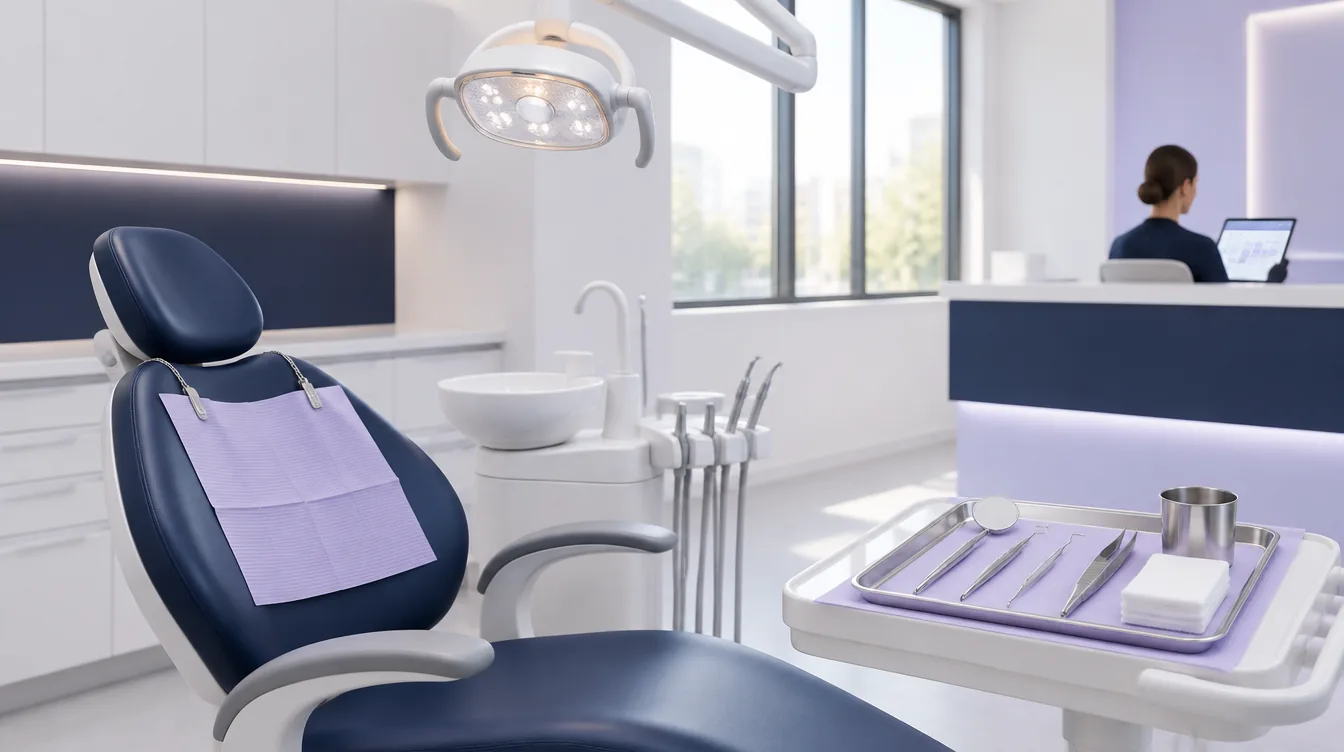
The chair is ready, the assistant has laid out the instruments, and the patient neither arrives nor calls. If you want to reduce dental no-shows, start by knowing how big the problem is in your own practice, then fix the parts a reminder cannot. This article sets out what published studies show about missed dental appointments, what reminders achieve, and a front-desk routine: who calls, when, what gets written down, and how you check the result every week.
How often do dental patients miss appointments?
There is no single "normal" rate. It moves with the country, the type of clinic and the age of the patient:
- A US academic paediatric dental clinic recorded a 14.3% no-show rate across 7,379 visits from 2018 to 2023, rising to 24% among 12 to 17 year olds. The authors note that published dental no-show rates range from 5% to 38%.
- A study in Ankara compared a state hospital with an oral and dental health centre in the same district in February 2024: 23.8% of dental appointments were missed, against 2.2% at the hospital. Forgetting was the most common reason given (20.7%).
- An analysis of a public dataset from one dental clinic in Riyadh covered 196,018 appointments in 2019 and found a 42.68% no-show rate.
With gaps that wide, a figure from a sales page tells you little about your own chairs. Count your own rate from last month's book, then watch whether it falls after each change you make at the front desk.
What the reminder research shows
The clearest evidence is a Cochrane systematic review of mobile phone reminders. Moderate-quality evidence from seven trials (5,841 participants) found that text reminders improved attendance compared with no reminder (risk ratio 1.14). Attendance was 67.8% with no reminder, 78.6% with text messages and 80.3% with phone calls. In two studies, the cost per attendance of a text was 55% and 65% lower than a call.
Keep three limits in mind:
- The trials were mixed, and the review itself says the evidence is not enough on its own to settle policy.
- A reminder fixes forgetting. It does not fix a booking made two months out for a patient whose plans changed.
- The Riyadh paper notes that across studies, previous attendance history and booking lead time are the predictors that keep coming up.
Six steps to reduce dental no-shows
- Put every appointment on the patient card. On the card it shows as the next activity and is closed with an outcome: attended, missed, or cancelled with a written reason. That is how Appointments & activities works in MAHAM.
- Send a reminder that asks for a reply. A day before, ask whether the time still suits, with two clear options: confirm or change. Whoever asks to change gets a new slot instead of a gap, and whoever stays silent gets a call from reception in the morning. The guide to reducing missed appointments has the steps.
- Write a short cancellation policy and say it at booking. For example: "Please let us know at least 24 hours ahead if you can't come." Put it in the booking confirmation and apply it to everyone. Before charging no-show fees, check consumer rules where you practise with a lawyer.
- Ask for a deposit on long appointments only. A two-hour implant session, or an overseas patient booked for several days, is not a 15-minute check-up. We found no peer-reviewed study measuring deposits in dental practices, so treat it as a business decision to test and measure. When it is paid, it is recorded on the deal in Payments and counts only once the accountant confirms it.
- Keep a waiting list before you need it. Note patients who want an earlier slot; when a cancellation comes in a day ahead, reception messages the first name. A time-based rule in Automation & rules alerts whoever follows up when the appointment approaches or the next activity runs late.
- Treat repeat no-shows differently. Past attendance is one of the stronger predictors, so call them personally, book them sooner rather than weeks out, and consider a deposit for long sessions. Note it on their card so whoever books next knows.
Each of these steps leaves a note on the patient card, so whoever books that patient next can see the history without asking a colleague. If you want to see these steps on sample appointments before changing anything, request a live demo.
Measure four numbers every week
On the first working day of each week, count from last week's appointments:
- No-show rate: appointments neither attended nor cancelled, divided by all booked.
- Late cancellations: cancelled less than 24 hours ahead, counted separately because the chair sits empty almost as often.
- Refill rate: of cancelled slots, how many went to another patient.
- No-shows by reminder reply: confirmed then missed, versus never replied. If most no-shows never replied, work on how reception follows up a silent patient before you rewrite the message.
This is easy when every appointment is closed with its outcome. In MAHAM, Reports show first human response, conversation volume and a comparison with last month, and the weekly metrics guide suggests an order for the review. Run the four numbers for four weeks, then change one thing and measure it.
Where MAHAM fits, and its limits today
- The bot books from the conversation, reschedules or cancels; staff can add appointments by hand.
- Whoever doesn't reply gets a follow-up activity, with attempts counted.
- The "Appointment reminder" playbook for the AI agent asks the patient a day before whether the time suits, then confirms, reschedules or hands over to a staff member. You test it in the lab first.
- WhatsApp requires an approved template outside the reply window, and our appointment-confirmation template is still awaiting approval. So we start with you on open channels and team alerts, and tell you when it's approved.
It is easiest to judge on a real case from your practice, such as a patient who has missed twice or a slot cancelled the day before, and walk through it step by step. Request a live demo and we'll tell you plainly whether MAHAM fits the way you work.
Frequently asked questions
What is a normal no-show rate for a dental practice?
There isn't one. A US paediatric clinic reported 14.3% and cites a published range of 5% to 38%; a public dental centre in Ankara saw 23.8%. What matters is your own rate and its direction.
Do text reminders really reduce no-shows?
Yes, within limits. The Cochrane review found attendance rose from 67.8% without reminders to 78.6% with text messages, on moderate-quality evidence. A reminder that asks for a reply also gives you time to refill the slot.
Should we charge a deposit or a no-show fee?
We found no peer-reviewed dental study that answers this with numbers. Many practices use deposits for long sessions and overseas patients. Test it on that group only, state refund terms clearly, and check fees against local consumer rules with a lawyer.
What cancellation policy works?
A short one, said at booking and written in the confirmation, such as asking for 24 hours' notice, and applied the same way to everyone, so nobody at the desk makes exceptions case by case.
How do we fill cancelled slots?
With a waiting list that exists before the cancellation: patients who asked for an earlier slot, or short visits that can move forward. The earlier the cancellation, the better the chance, which is why the reminder asks for a reply a day ahead.